Projects
Environmental initiatives implemented by the REC Country Office Serbia and Montenegro across South Eastern Europe.
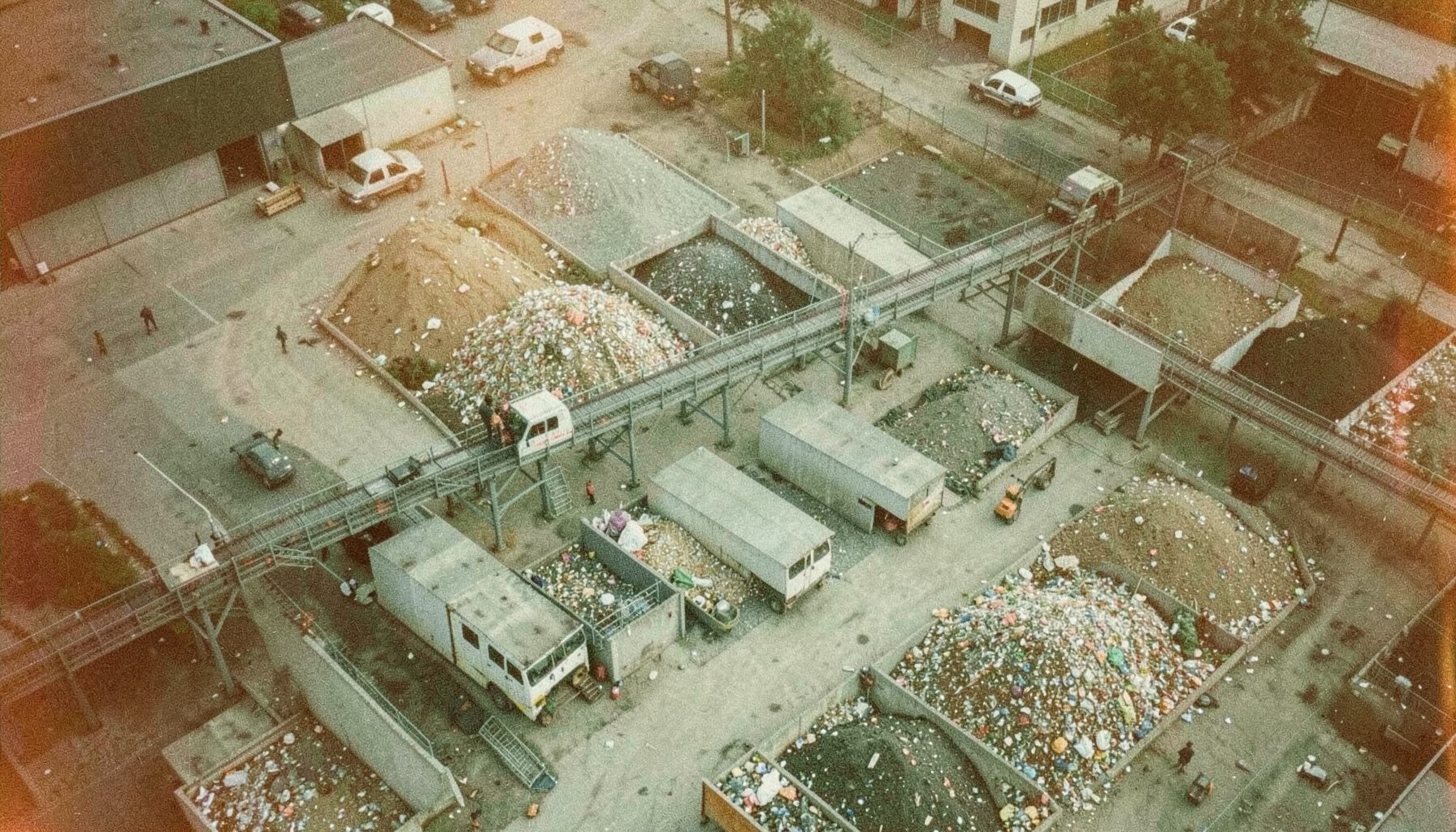
REMUS — Regional Municipal Waste Management Plan
Financed by the Japan Special Fund
Addressed municipal solid waste management across multiple municipalities in Serbia. A key seminar was held on December 8, 2003 at the Center of Culture in Šabac, bringing together over 50 participants from six municipalities.
REReP 1.9 — Capacity Building for EU Approximation in SEE
Implemented with GTZ
Supported environmental ministries and NGOs from Bulgaria, Croatia, Macedonia, Romania, and Serbia and Montenegro in aligning with EU environmental standards. Included planning workshops, steering committee meetings, and national project development from 2001 to 2002.
REReP 2.2 — Aarhus Convention Implementation Support
Supported by the Netherlands Government
Focused on advancing the implementation of the Aarhus Convention on access to information, public participation, and access to justice in environmental matters across South Eastern Europe. A regional meeting was held November 14–15, 2002 at REC Headquarters in Szentendre, Hungary.
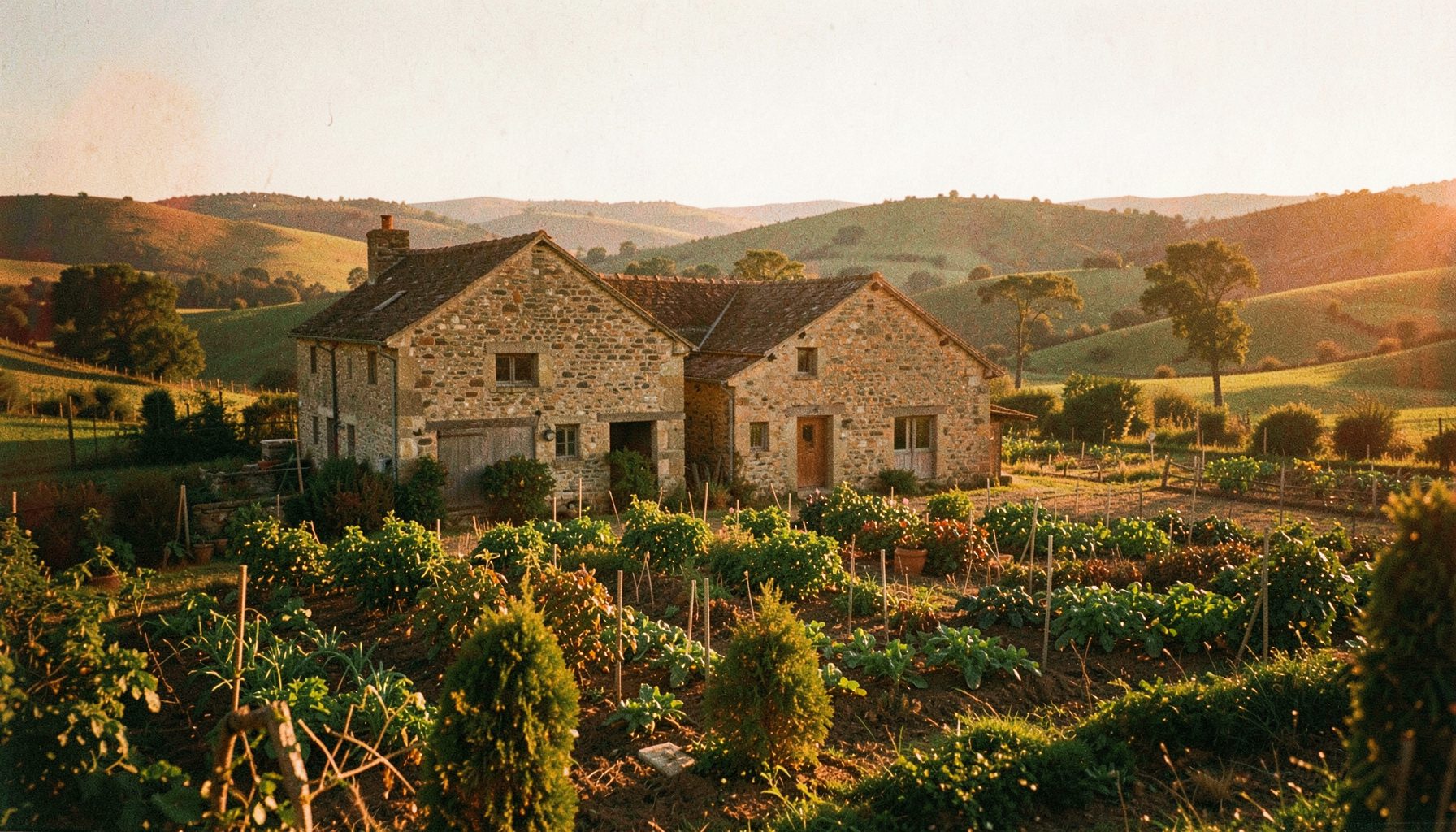
Interactive Farm — Lukavica Pilot Project
Supported by REC and EC EuropeAid
Established in Lukavica village near Dimitrovgrad, this pilot project promoted sustainable development and the preservation of Balkan agro-genetic resources. The farm was officially opened on September 23, 2004.
Project contacts: For inquiries about these initiatives, the REC Country Office Serbia and Montenegro was reachable at office@recyu.org or by telephone at (011) 3061-715.
Additional project-specific contacts for the GTZ REReP 1.9 programme are available on the GTZ Contacts page.
Across South Eastern Europe, the Region's environmental office has supported a wide range of field-based initiatives designed to tackle pressing ecological challenges at the local and national levels. These projects bring together municipal authorities, community organizations, and technical experts to address issues such as waste management, water quality, and sustainable land use. By pairing practical implementation with knowledge sharing, each effort aims to leave lasting capacity within the communities it touches. The emphasis throughout is on measurable outcomes, transparent reporting, and approaches that can be replicated in neighboring regions facing similar environmental pressures.
A core strength of these undertakings is their collaborative spirit. Rather than working in isolation, project teams actively engage with local stakeholders from the earliest planning stages through to monitoring and evaluation. This participatory model helps ensure that interventions reflect real community needs and are embraced long after external support concludes. Workshops, public consultations, and demonstration activities are woven into project timelines so that residents, schools, and businesses can see and understand the benefits firsthand. Such engagement builds trust and creates a sense of shared ownership over environmental improvements, which is essential for sustaining progress over time.
Looking ahead, the portfolio of initiatives continues to evolve in response to emerging environmental priorities across the region. Climate adaptation, biodiversity protection, and the transition toward circular economy practices are increasingly central to project design. Each new effort builds on lessons learned from earlier work, refining methods and strengthening partnerships. The long-term vision is one of resilient communities equipped with the tools and knowledge to manage their natural resources responsibly. Through steady, practical action, these projects contribute to a healthier environment and a more sustainable future for generations to come.